Introduction
Flooding can be one of the most devastating natural disasters a homeowner can face. The aftermath of a flood brings not only physical damage but also emotional distress. When water invades your home, quick and effective action is crucial. To ensure a smooth recovery process, it’s essential to follow a structured approach to restoration. This article serves as your comprehensive guide, "Restoring Your Home After a Flood: A Step-by-Step Guide," detailing every aspect from assessing the damage to long-term prevention strategies.
Understanding Water Damage Restoration
What Is Water Damage Restoration?
Water damage restoration refers to the process of cleaning up and repairing properties that have been flooded or damaged by water infiltration. Professionals in this field utilize specialized equipment and techniques to remove moisture, prevent mold growth, and restore structural integrity.
Importance of Timely Restoration
Delaying water damage restoration can lead to severe consequences such as mold growth, structural issues, and even health problems. Engaging with professionals experienced in water damage restoration Bellevue can significantly mitigate these risks.
Assessing the Damage After a Flood
Initial Inspection: What Should You Look For?
After ensuring your safety, start by inspecting your home for visible signs of damage. Look for:
- Standing water Discoloration on walls or ceilings Swollen or warped flooring
Documenting the Damage for Insurance Purposes
Capture photographs and videos of all damaged areas for insurance claims. This documentation will serve as crucial evidence when filing your claim.
Safety Precautions Before Starting Restoration
Why Is Personal Safety Important?
Before diving into restoration efforts, it's vital to prioritize personal safety. Floodwaters can carry contaminants that pose serious health risks.
Essential Safety Gear for Flood Cleanup
Equip yourself with:
- Rubber gloves Masks Waterproof boots
Step 1: Removing Excess Water
Using Pumps for Effective Water Removal
If standing water is present, using submersible pumps can efficiently remove large quantities of water. Ensure you have an appropriate outlet for wastewater disposal.
Wet/Dry Vacuums: A Handy Tool for Smaller Spaces
For smaller areas with residual moisture, wet/dry vacuums are invaluable tools that make cleanup easier.
Step 2: Drying Out Your Home
The Importance of Thorough Drying
Proper drying is critical to prevent mold growth and further deterioration of materials like drywall and wood.
Air Circulation Techniques to Promote Drying
Utilize fans and dehumidifiers strategically throughout affected areas to enhance air circulation and expedite drying.
Step 3: Cleaning and Sanitizing Affected Areas
Why Cleaning Is Essential Post-Flood?
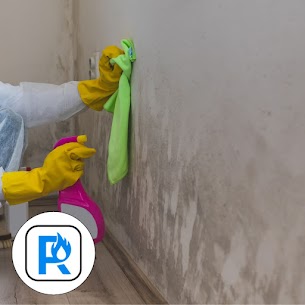
Cleaning removes dirt, debris, and potential contaminants that floodwater may have introduced into your home environment.
Effective Cleaning Solutions for Different Surfaces
Consider using:
- Bleach solutions for non-porous surfaces Vinegar or specialized mold removers for porous materials
Step 4: Repairing Structural Damage
Identifying Structural Compromise After a Flood
Inspect load-bearing walls, beams, and foundations carefully. Any signs of cracks or instability must be addressed immediately.
Professional Help vs DIY Repairs: What’s Best?
While minor repairs might be feasible for homeowners, significant structural issues require professional intervention. https://canvas.instructure.com/eportfolios/3559242/home/preventing-future-flooding-tips-for-omaha-homeowners-after-water-damage-cleanup It's wise to consult certified contractors specializing in flood restoration in Bellevue if you're unsure about any repairs.
Step 5: Dealing with Mold Growth
How Quickly Can Mold Develop After a Flood?
Mold can begin growing within 24 hours after exposure to moisture. Immediate action is necessary if you notice any signs of mold infestation.
Mold Remediation Techniques You Should Know About
Engage professionals who specialize in mold remediation if the affected area is extensive. They employ techniques including containment, filtration, and removal procedures tailored specifically for hazardous environments.
Step 6: Restoring Your Belongings
Assessing Items Damaged by Water
Go through all items exposed to floodwaters—furniture, electronics, clothing—and determine what can be saved versus what should be discarded.
Cleaning Techniques for Salvaging Belongings
For salvageable items:
- Wash clothing thoroughly. Clean furniture with suitable cleaning agents.
For electronics: Consult professionals before attempting any cleaning; they can provide guidance on whether items are recoverable.
Step 7: Long-Term Prevention Strategies
How Can You Prevent Future Flood Damage?
Implementing preventive measures reduces future flood risks significantly:
Install sump pumps. Elevate electrical systems above flood levels. Maintain gutters and drainage systems regularly.FAQs About Flood Restoration
Q1: How long does it take to restore a home after flooding?
The timeline varies depending on the extent of the damage but generally ranges from several days to several weeks.
Q2: What are common signs my home has suffered from water damage?
Signs include discoloration on walls/ceilings, musty odors, swollen flooring, or visible mold growth.
Q3: Should I file an insurance claim after flooding?
Yes! Document all damages thoroughly before contacting your insurance provider regarding potential coverage options.
Q4: Can I handle flood cleanup myself?
Minor cleanups may be manageable; however, extensive damage should involve professional assistance—especially concerning safety risks like mold or structural stability concerns.
Q5: What preventive measures should I implement post-restoration?

Consider installing sump pumps or elevating electrical systems above anticipated flood levels as part of long-term prevention strategies!
Q6: How do I choose a reputable restoration company?
Research local companies specializing in water damage restoration Bellevue by reading reviews online or asking friends/family members for recommendations.
Conclusion
Restoring your home after a flood requires careful planning and execution. With determination and the right strategies outlined in this comprehensive guide—"Restoring Your Home After a Flood: A Step-by-Step Guide"—you can navigate through the recovery process effectively while ensuring safety measures are prioritized at every step along the way! Whether you’re dealing with minor leaks or major flooding issues requiring professional help—don’t hesitate! Take proactive steps today so that tomorrow’s comfort remains uninterrupted amidst life’s unpredictable challenges!